
Category: Production Resources
-

Article
Issue



Research report
Recipe
News

Event
Page
Production Resource
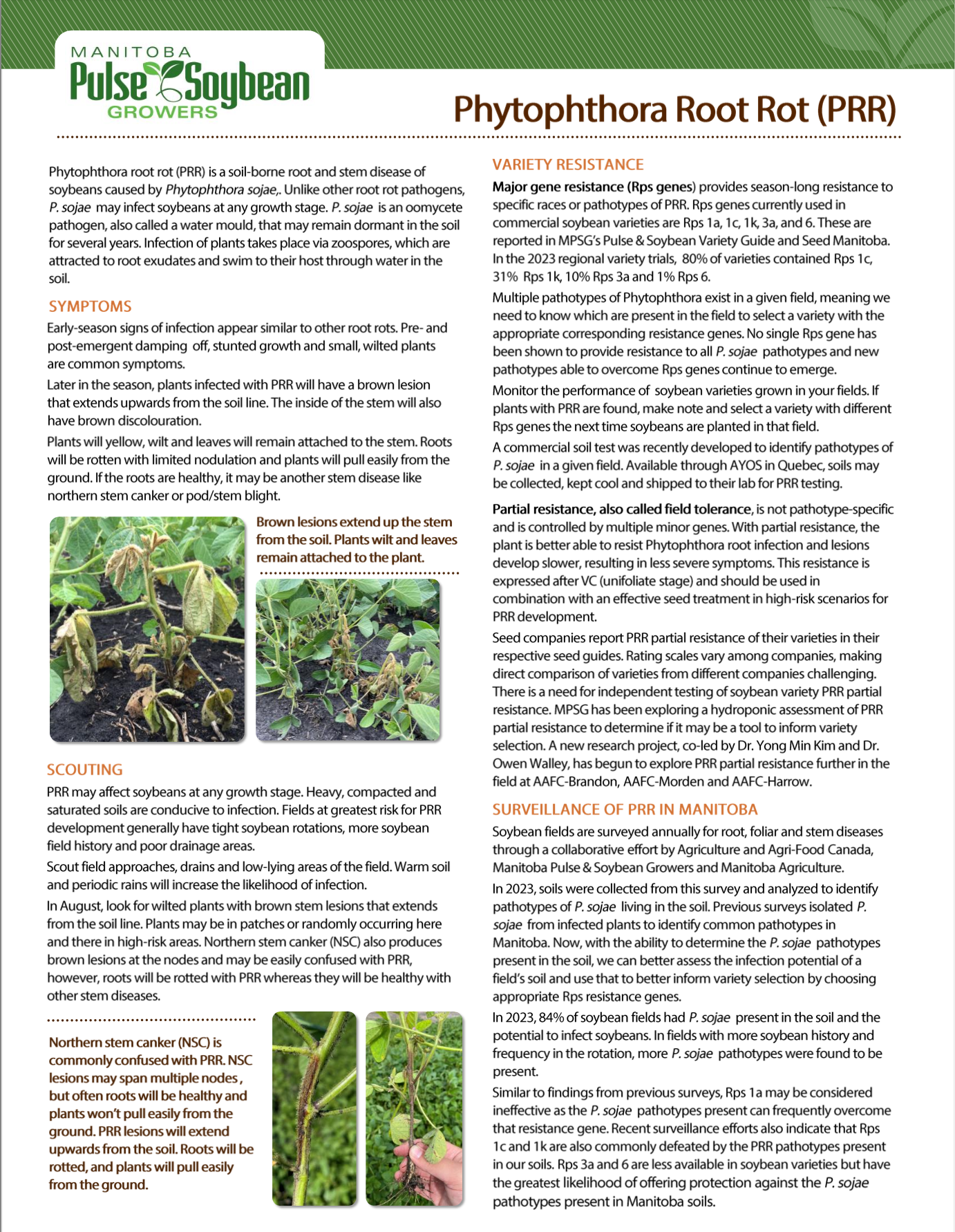
Seeding Peas: Establish a Strong Crop
Seeding Date Seed peas as early as possible from late April to early May for maximum yield potential. Peas are more tolerant to spring frosts than other crops because pea cotyledons remain underground. If frost injury occurs, new shoots will emerge from axillary buds that are protected under the soil surface. The minimum soil temperatures…
-
Article
Issue
Research report
Recipe
News
Event
Page
Production Resource
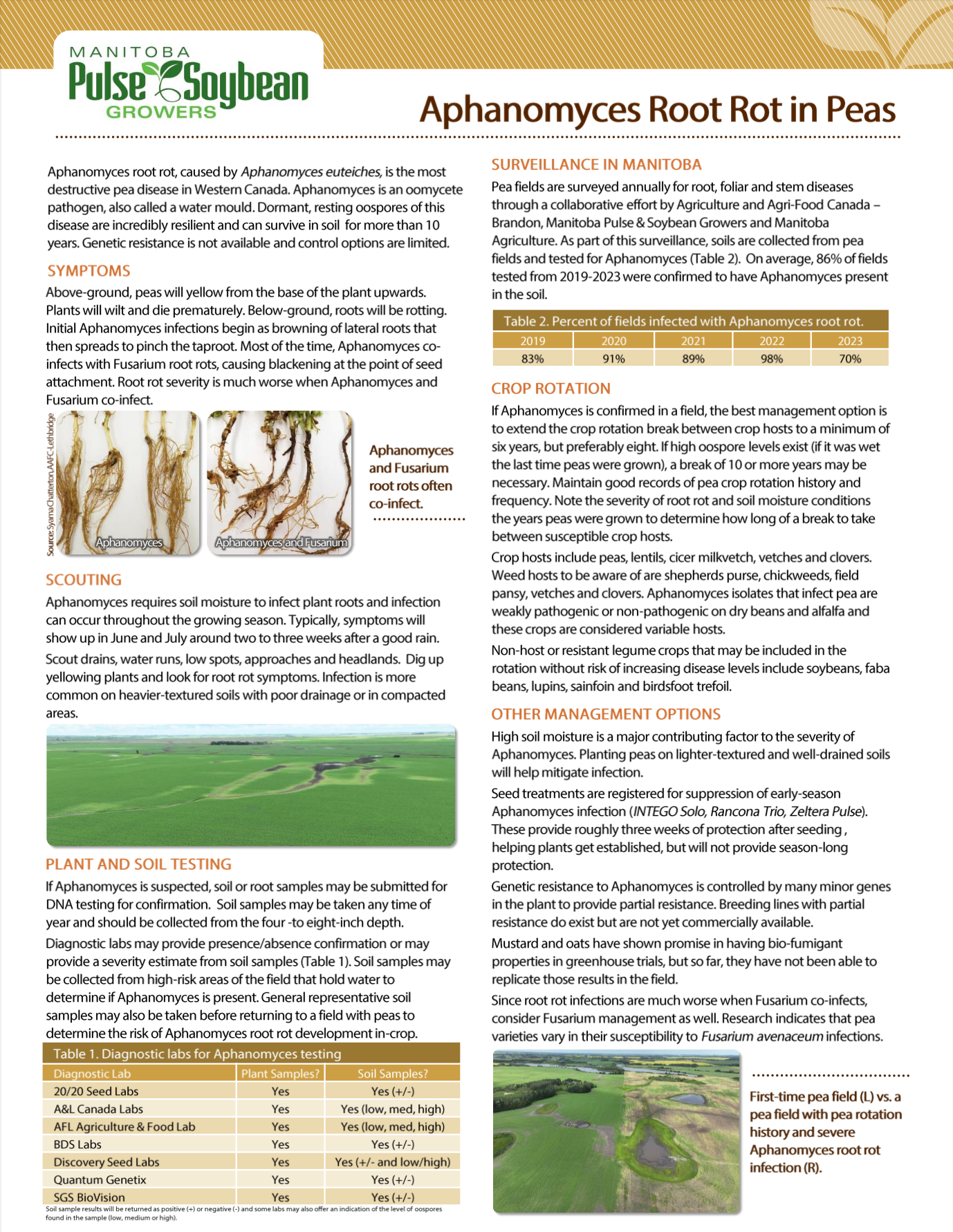
Phytophthora Root Rot in Soybeans
Phytophthora root rot (PRR) is a soil-borne root and stem disease of soybeans caused by Phytophthora sojae. Unlike other root rot pathogens, P. sojae may infect soybeans at any growth stage. P. sojae is an oomycete pathogen, also called a water mould, that may remain dormant in the soil for several years. Infection of plants…
-
Article
Issue
Research report
Recipe
News
Event
Page
Production Resource
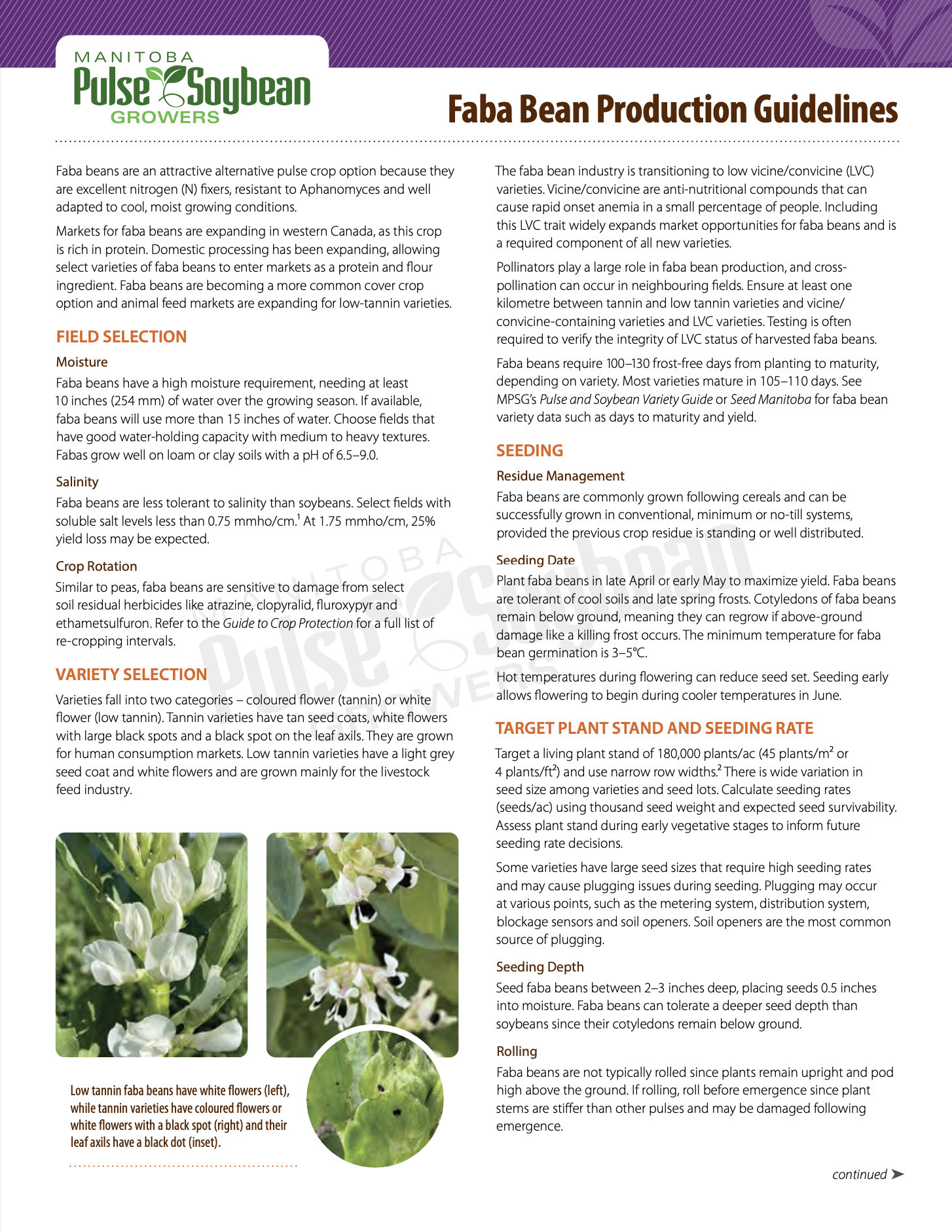
Aphanomyces Root Rot in Peas
Download as a PDF or read the content below. Aphanomyces root rot, caused by Aphanomyces euteiches, is the most destructive pea disease in Western Canada. Aphanomyces is an oomycete pathogen, also called a water mould. Dormant, resting oospores of this disease are incredibly resilient and can survive in soil for more than 10 years. Genetic…
-
Article
Issue
Research report
Recipe
News
Event
Page
Production Resource
Faba Bean Production Guidelines
-
Article
Issue
Research report
Recipe
News
Event
Page
Production Resource
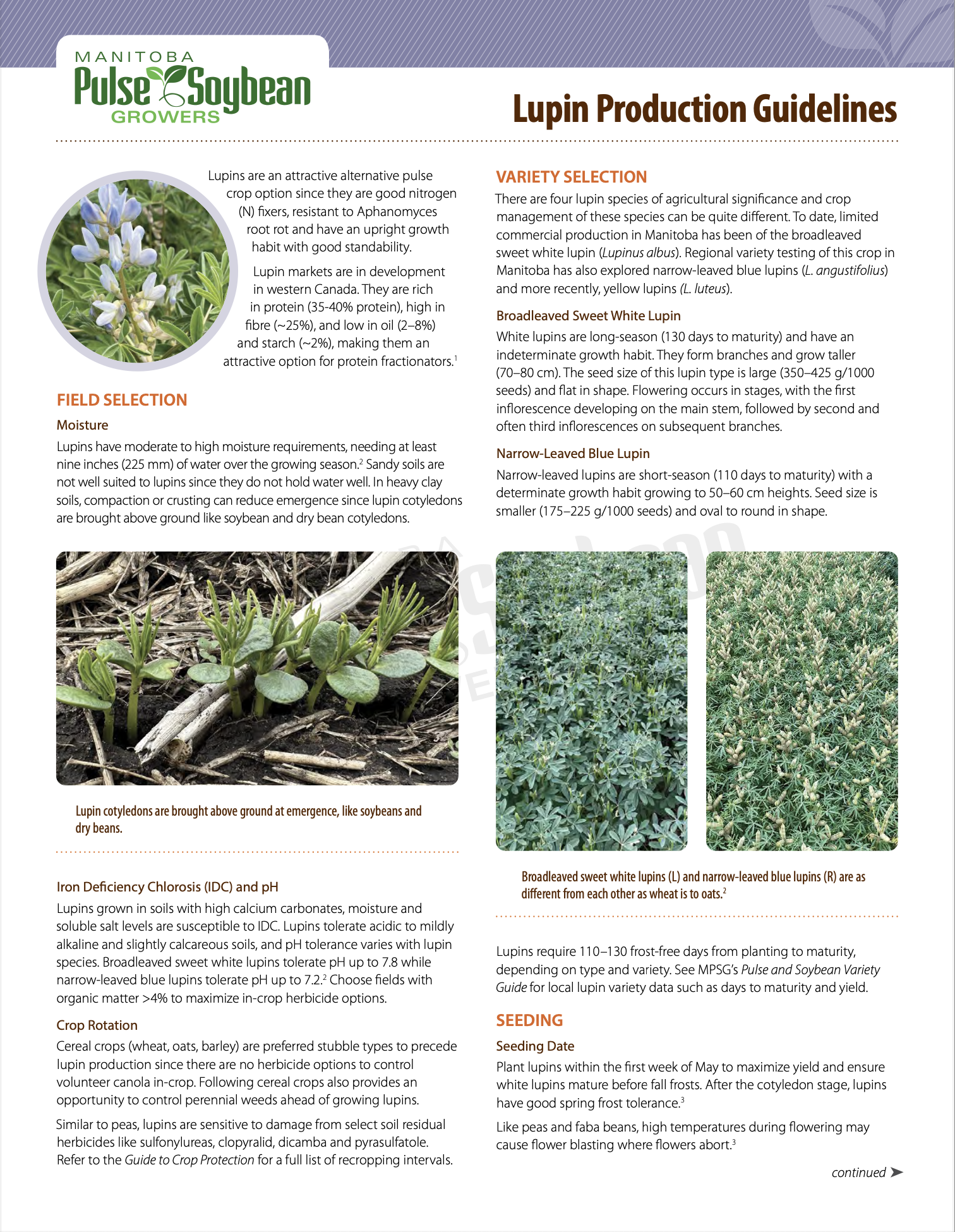
Lupin Production Guidelines
Download as a PDF or read full content below. Lupins are an attractive alternative pulse crop option since they are excellent nitrogen (N) fixers, resistant to Aphanomyces root rot and have an upright growth habit with good standability. Markets for lupins are in development in Western Canada. They are rich in protein (35-40% protein), high…
-
Article
Issue
Research report
Recipe
News
Event
Page
Production Resource
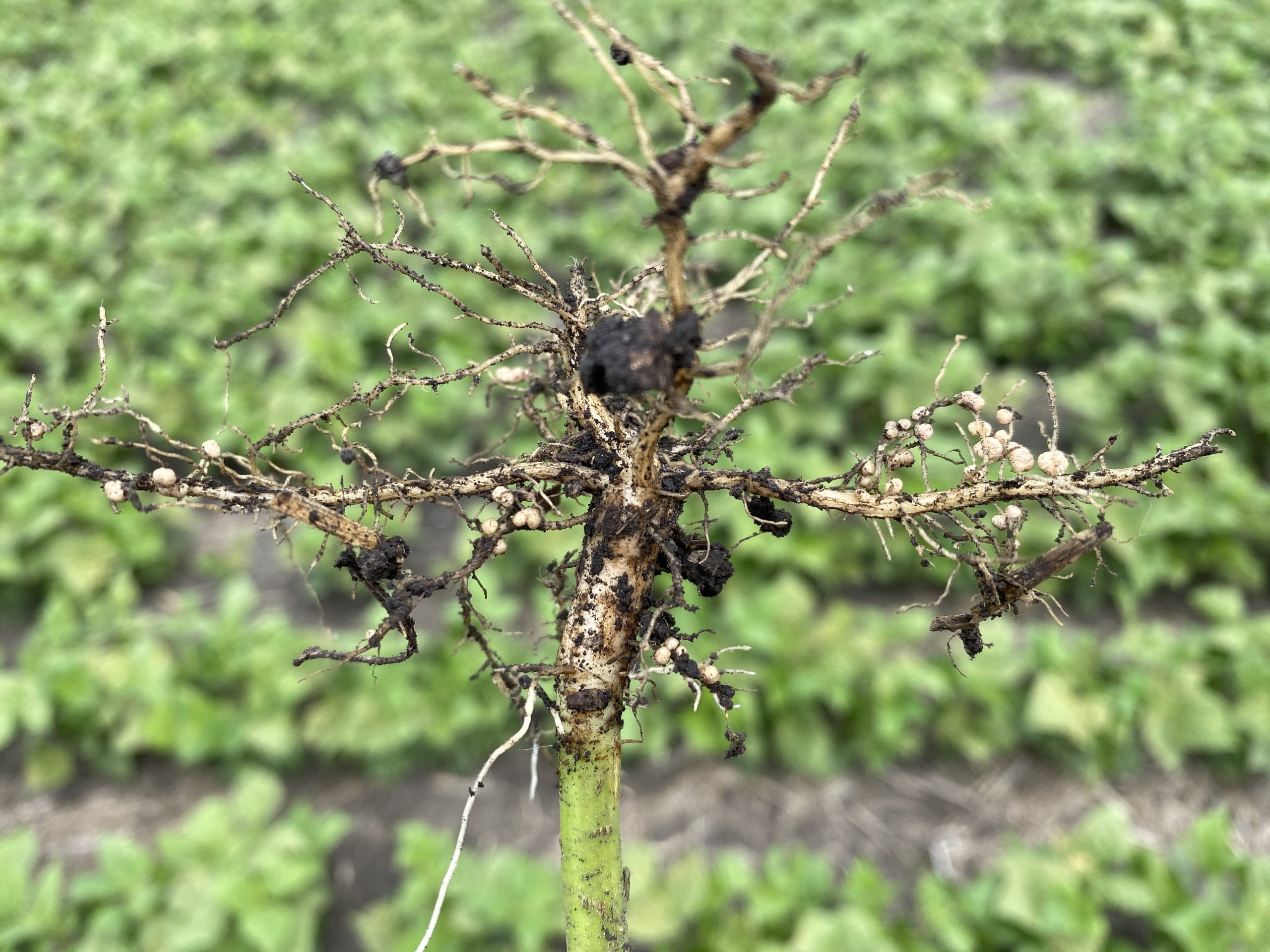
Dry Bean Nitrogen Fertilization and Inoculant Research in Manitoba
Dry beans are relatively poor N-fixers, producing less than 45% of their N requirement. Nitrogen uptake rates in dry beans range from 3.9-4.7 lbs N/cwt of seed, meaning a 2000 lbs/ac dry bean crop would require 78-90 lbs N/ac. This nitrogen may come from a combination of residual soil N, biological N fixation and N…
-

Article
Issue
Research report
Recipe
News
Event
Page
Production Resource
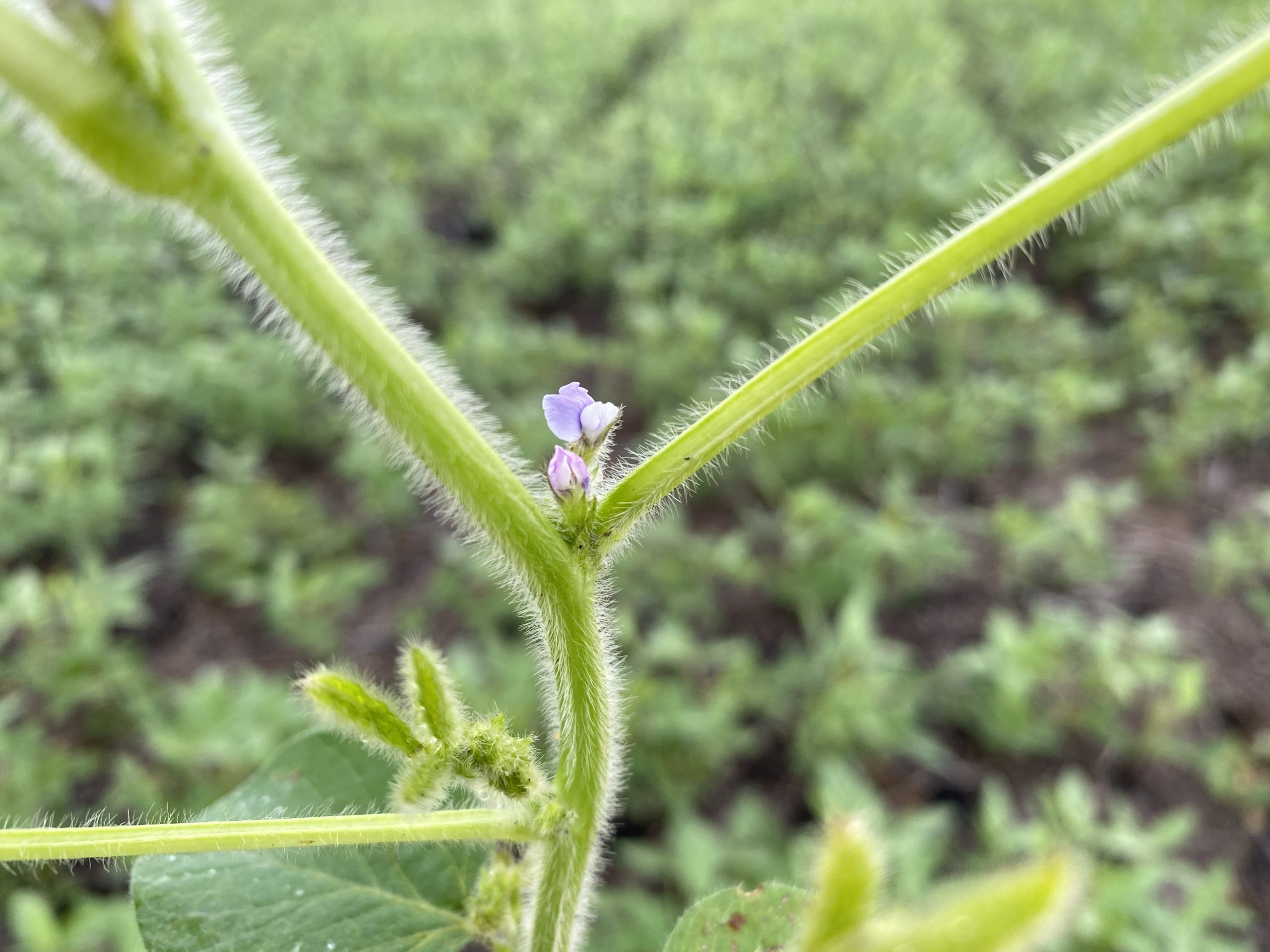
Alternatives to Lambda-Cyhalothrin for 2023
-
Article
Issue
Research report
Recipe
News
Event
Page
Production Resource
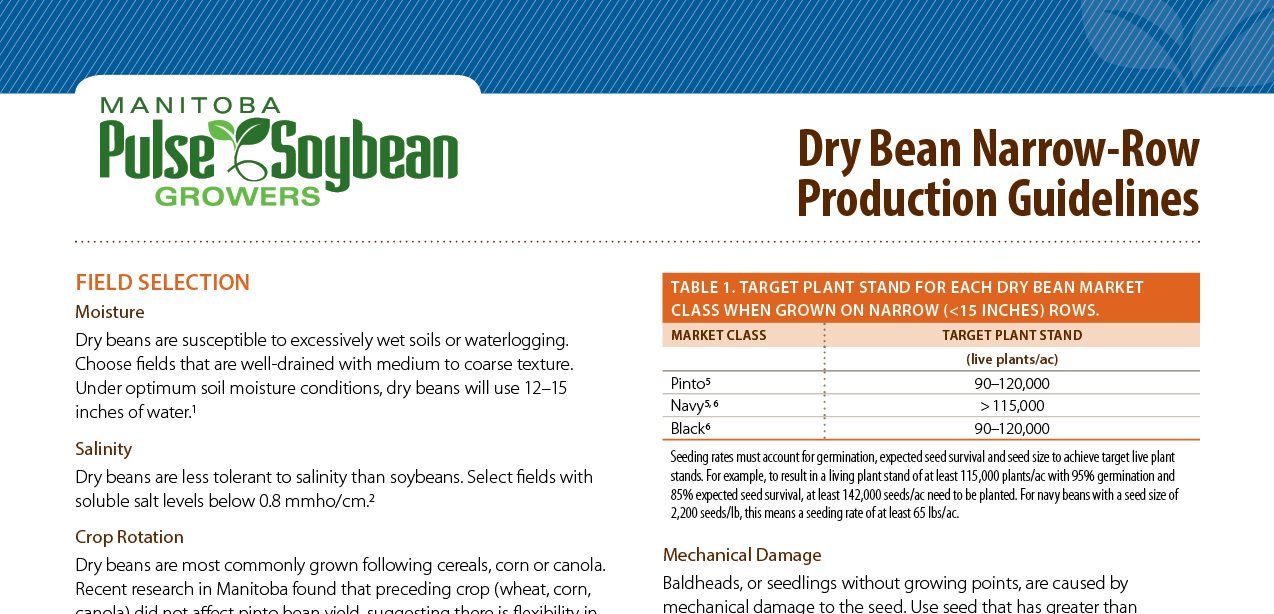
2022 Disease Prevalence and Management Tools
-
Article
Issue
Research report
Recipe
News
Event
Page
Production Resource
Dry Bean Narrow-Row Production Guidelines
-
Article
Issue
Research report
Recipe
News
Event
Page
Production Resource
2022 Soybean Variety Guide Highlighter Tool
-
Article
Issue
Research report
Recipe
News
Event
Page
Production Resource
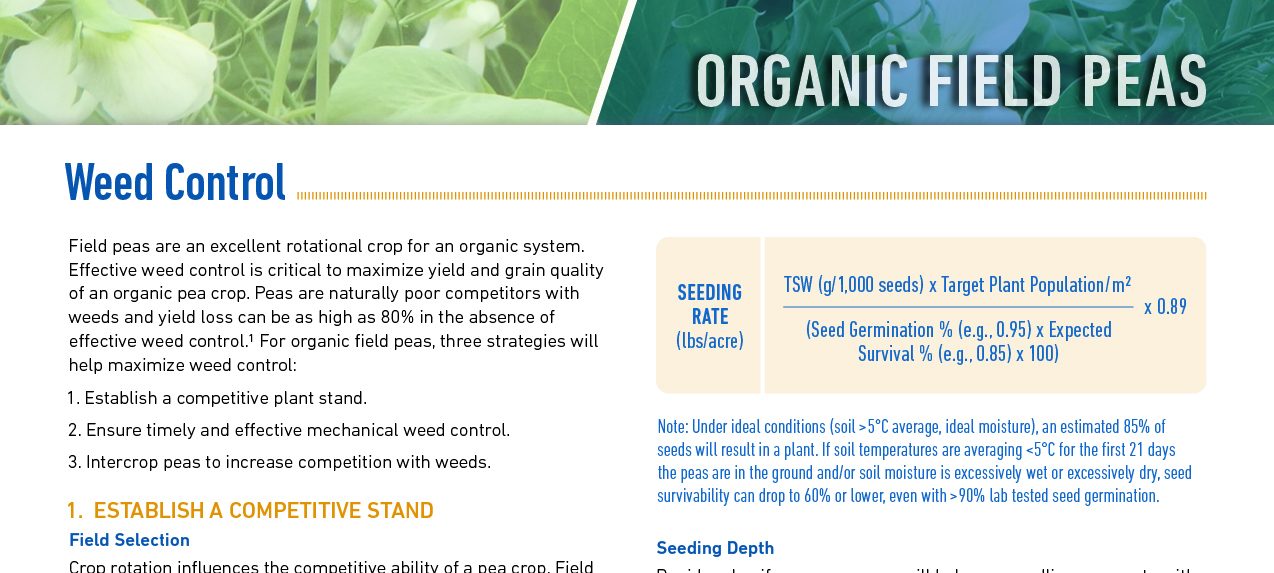
Organic Field Peas – Weed Control
-
Article
Issue
Research report
Recipe
News
Event
Page
Production Resource
Staging Field Peas for Herbicide Timing
Accurately identifying field pea growth stages will help avoid herbicide injury. Most post-emergent herbicides should only be applied up and including to the 6th true node stage (V6). Herbicide Options for Field Peas 2025 → Along with the Field Pea Growth Staging Guide, here are some tips to keep in mind when staging peas: Make herbicide applications…
Filter by term